In the vast tapestry of India's cultural and spiritual heritage, Naad Kala occupies a unique and profound position. More than just music or sound, Naad represents the fundamental vibration that underlies all creation, connecting the individual consciousness to the cosmic reality. Understanding Naad Kala is essential for appreciating the depth of Indian classical arts and their role in shaping our civilization's spiritual and cultural identity.
Understanding Naad: The Foundation of All Sound
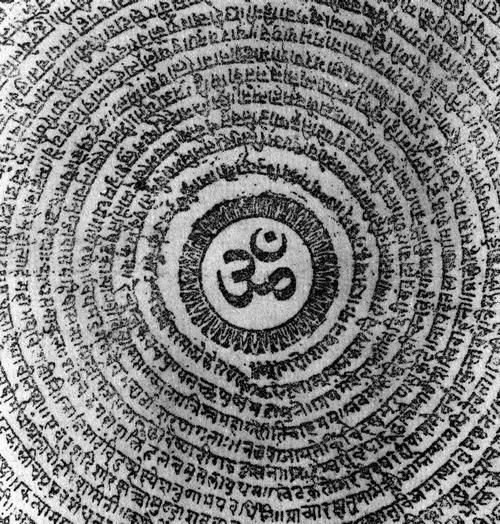
The Sanskrit word "Naad" (नाद) refers to the essence of all sound and vibration. Ancient Indian philosophy teaches us that the entire cosmos emerged from primordial sound—a concept that modern science is beginning to validate through studies on cosmic vibrations and energy fields. Naad forms the basis of all vibrations and extends beyond mere frequency, encompassing both the sounds we can hear and the deeper, subtler vibrations that resonate within our being.
In the Indian tradition, Naad is classified into two fundamental types:
Aahat Naad (आहत नाद) - This refers to the struck or audible sound that we hear, speak, or sing. It includes all music created by instruments, the human voice, and any sound produced through physical means. This is the manifest form of sound that we experience in our daily lives and in musical performances.
Anahat Naad (अनाहत नाद) - This represents the unstruck sound, the energy vibration of our inner self or soul. It is the subtle, internal vibration that exists beyond the realm of ordinary hearing. The sacred syllable "Om" is considered the closest representation of Anahat Naad and serves as a pathway to experiencing this divine sound.
Naad Kala and Indian Classical Music
Indian classical music, both Hindustani and Carnatic traditions, is deeply rooted in the philosophy of Naad. The relationship between sound and consciousness has been explored by Indian musicians and yogis for thousands of years. Naad represents the essence of all sound, and music is subtly integrated into every aspect of our lives.
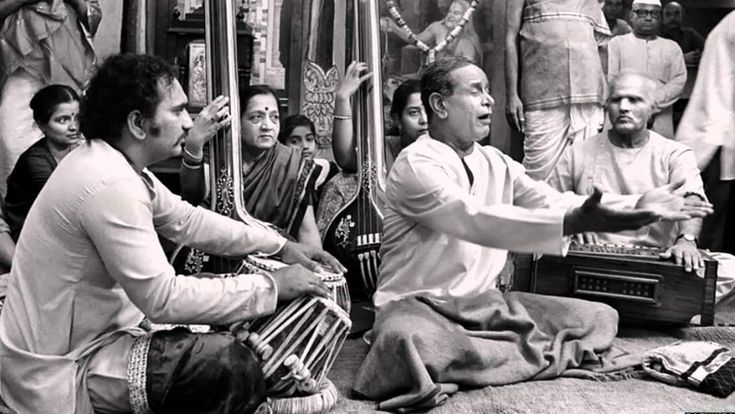
The practice of music in India has never been merely for entertainment. Classical musicians undergo years of rigorous training, beginning their practice at dawn with "svar sadhana"—the repetition of a single note for extended periods. This discipline is not just about perfecting musical technique; it is a spiritual practice aimed at understanding the deeper nature of sound and its power to transform consciousness.
Knowledge of Hindustani classical music is taught through a network of classical music schools, called gharana. These traditional systems ensured that the sacred knowledge of Naad was preserved and transmitted from guru to disciple, maintaining the spiritual integrity of the art form.
Naad Yoga: The Path of Spiritual Union Through Sound
Naad Yoga is the spiritual practice that uses sound as a medium for achieving higher consciousness and self-realization. The system's theoretical and practical aspects are based on the premise that the entire cosmos and all that exists in it, including human beings, consists of vibrations called nāda.
This ancient metaphysical system recognizes that sound vibrations affect not just our ears but our entire being—our body, mind, emotions, and spirit. Through conscious practice with sound, whether through chanting, singing, playing instruments, or deep listening, practitioners can:
- Achieve mental clarity and emotional balance
- Experience deeper states of meditation
- Connect with their inner consciousness
- Transcend the limitations of ordinary awareness
Naad Yoga uses the power of sound to achieve an evolution of consciousness and union with the metaphysical. The practice recognizes that different sounds and musical modes (ragas) have specific effects on the human psyche and can be used therapeutically to heal and harmonize.
The Cultural and National Significance of Naad Kala
The preservation and promotion of Naad Kala is not merely an artistic pursuit—it is central to maintaining India's cultural sovereignty and civilizational identity. Our classical music traditions represent thousands of years of accumulated wisdom about the nature of consciousness, aesthetics, and human potential.
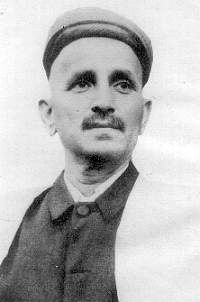
In the early 20th century, visionaries like Pandit Vishnu Digambar Paluskar and Pandit Vishnu Narayan Bhatkhande recognized the need to democratize and institutionalize this knowledge. Paluskar founded the Gandharva Mahavidyalaya in 1901, a school to impart formal training in Hindustani classical music. This was revolutionary—music education was no longer confined to royal courts but became accessible to all Indians, regardless of their social background.
This democratization was crucial for cultural preservation. By bringing classical music to the masses through schools, conferences, and standardized teaching methods, these pioneers ensured that Naad Kala would survive and flourish even as the patronage system of kings and nawabs declined.
Naad Kala in Contemporary India
Today, as India continues its journey of national resurgence, the revival and promotion of Naad Kala assumes special importance. Our classical music traditions offer:
- Cultural Identity: In a globalized world, our classical arts anchor us to our civilizational roots and provide a distinct cultural identity.
- Spiritual Development: The practice of Naad Kala offers pathways to inner development that are increasingly relevant in our stress-filled modern lives.
- Scientific Validation: Modern research is beginning to validate what our sages knew intuitively—that sound frequencies have measurable effects on human consciousness, health, and wellbeing.
- National Pride: Our music traditions represent India's unique contributions to world culture and deserve recognition alongside other classical music systems.
The Way Forward: Preserving and Promoting Naad Kala
For students and young people interested in India's cultural heritage, engaging with Naad Kala offers multiple benefits:
Personal Development: Learning classical music develops discipline, concentration, emotional intelligence, and aesthetic sensibility.
Cultural Understanding: Understanding Naad Kala provides deeper insight into Indian philosophy, literature, and spiritual traditions.
National Service: By learning, practicing, and promoting classical arts, we contribute to preserving India's intangible cultural heritage for future generations.
Several initiatives can help revitalize Naad Kala:
- Integrating classical music education in schools and universities
- Supporting classical music institutions and gharanas
- Creating platforms for young artists to learn and perform
- Encouraging research on the therapeutic and spiritual aspects of Indian music
- Documenting and digitizing rare recordings and traditional knowledge
Conclusion
Naad Kala represents one of humanity's most sophisticated explorations of the relationship between sound, consciousness, and reality. Sound can be a bridge to the innermost recesses of our being, and our classical music traditions provide time-tested methods for crossing that bridge.
As we work toward building a resurgent India that is confident in its civilizational identity, the preservation and promotion of Naad Kala must be a priority. This is not about nostalgia for the past but about ensuring that future generations of Indians have access to the profound wisdom encoded in our musical traditions.
Whether through learning an instrument, attending classical music concerts, supporting traditional music schools, or simply developing an appreciation for the depth of Indian classical music, every Indian can contribute to keeping alive the sacred art of Naad. In doing so, we honor our ancestors' wisdom and ensure that the divine vibrations of Naad continue to resonate through the ages, connecting individual souls to the cosmic consciousness that is the source of all creation.