In the magnificent landscape of Indian cultural heritage, Chitra Kala stands as a testament to our civilization's profound understanding of visual expression, creativity, and the power of art to communicate the deepest truths of existence. From the prehistoric cave paintings of Bhimbetka to the intricate digital illustrations of today, Chitra Kala—the art of visual representation—has been the silent narrator of India's story, preserving our mythology, philosophy, and cultural identity across millennia.
Understanding Chitra Kala: The Essence of Visual Expression
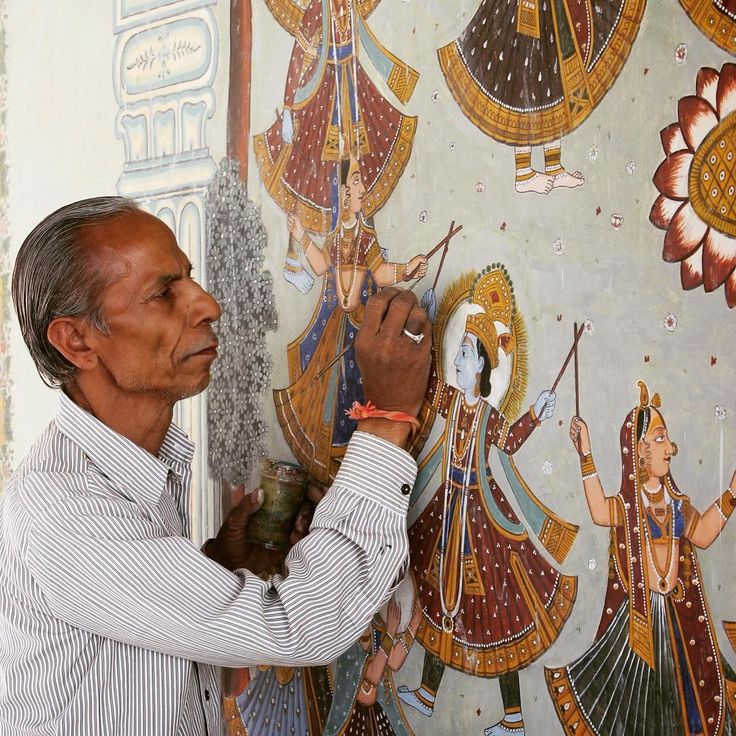
The term "Chitra" (चित्र) appears in ancient Sanskrit texts including the Rigveda, where it signifies something excellent, clear, bright, and brilliantly ornamented—anything that evokes wonder and catches the eye. In the Mahabharata and Harivamsa, Chitra evolved to mean picture, sketch, and delineation, establishing itself as a foundational genre of Kala (arts).
Chitra is an Indian art genre encompassing painting, sketching, and all forms of visual delineation. Ancient texts define it not merely as decoration but as a profound form of expression and communication. According to the Aparajitaprccha, a 12th-century text on arts and architecture, just as water reflects the moon, Chitra reflects the world itself.
The Ancient Wisdom of Chitra: Shastric Foundations
India's approach to visual arts has always been deeply philosophical and systematic. Ancient India produced numerous treatises on Chitra, including:
Chitrasutras: Chapters 35-43 within the Vishnudharmottara Purana, the most referenced text in Indian artistic tradition, dating to the 4th-5th century CE.
Chitralaksana of Nagnajit: A classic on classical painting from the 5th century CE or earlier, making it possibly the oldest known text on Indian painting.
Samarangana Sutradhara and Aparajitaprccha: Architecture treatises containing extensive sections on painting theory and practice.
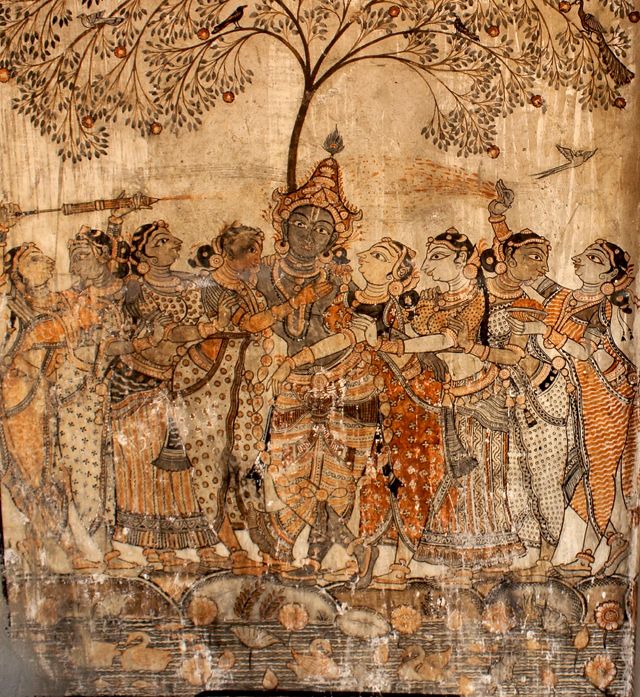
These texts discuss not just technique but the philosophy of art—how Chitra relates to other arts, methods of canvas preparation, recipes for natural color pigments, the requirements for becoming a skilled painter, and the aesthetic impact of art on viewers. Indian tradition emphasizes that successful painting requires knowledge of the subject, keen observation of nature, human behavior, and understanding of dance, music, and other arts.
Shadanga: The Six Limbs of Indian Painting
Ancient Indian art theory established Shadanga (six limbs) as essential elements of masterful painting:
- Rupa-bheda (Form and Proportion): Knowledge of appearances and proper measurement
- Pramana (Correct Perception and Measurement): Accurate proportions and scale
- Bhava (Emotional Disposition): Infusion of feeling and mood
- Lavanya-yojana (Infusion of Grace): Beauty and aesthetic appeal
- Sadrisya (Similitude): Realistic representation
- Varnika-bhanga (Artistic Manner of Using Brush and Colors): Masterful technique in color application
This framework demonstrates that Indian art was never accidental or merely decorative—it was a sophisticated, theory-based practice aimed at creating works that touched both the aesthetic and spiritual dimensions of human experience.
The Rich Tapestry of Traditional Indian Chitra Kala
India's diverse geography and cultural landscape gave birth to numerous distinctive painting traditions, each reflecting local beliefs, materials, and storytelling methods.
Pattachitra: The Sacred Cloth Paintings
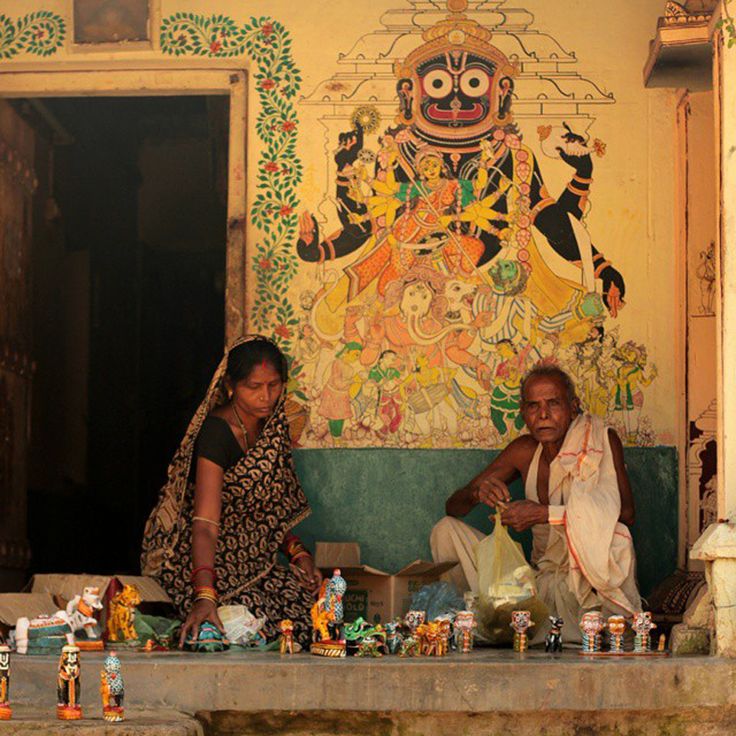
Pattachitra (from "patta" meaning cloth and "chitra" meaning picture) represents one of India's oldest continuous painting traditions. Dating back to the 5th century BCE in Odisha, Pattachitra closely links with Lord Jagannath worship and religious devotion. These paintings use natural colors and depict Hindu mythology with intricate details, serving both as ritual objects and pilgrimage souvenirs.
The Pattachitra tradition also flourishes in West Bengal, where the Patua artists create scrolls depicting mythological and folk narratives. These paintings use natural pigments—chalk dust for white, pauri for yellow, indigo for blue, and mete sindur for red—maintaining ancient color-making traditions.
Madhubani: The Women's Art of Mithila
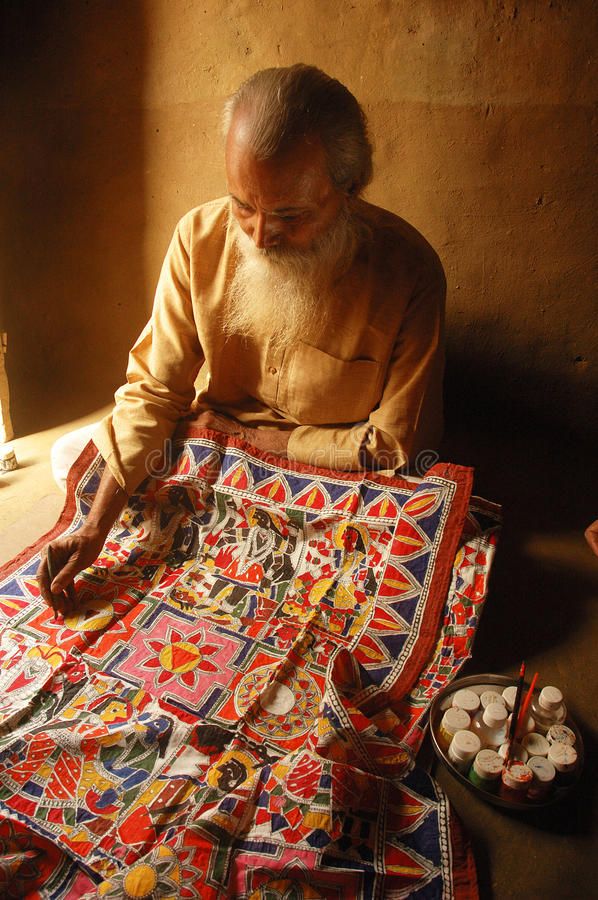
From Bihar's Mithila region comes Madhubani painting, characterized by bold colors, geometric patterns, and intricate details. Traditionally created by women on home walls using natural dyes from plants and minerals, these paintings depict religious themes, social scenes, and natural elements. This art form exemplifies how Indian women have been custodians of cultural transmission through visual arts.
Kalamkari: The Pen-Craft Tradition
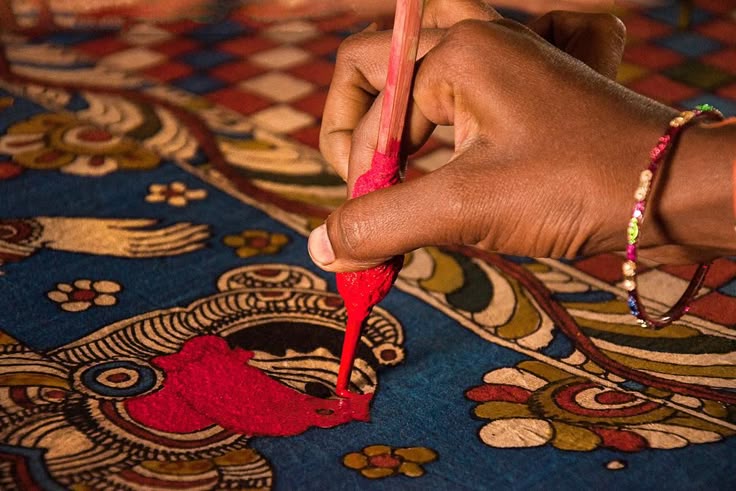
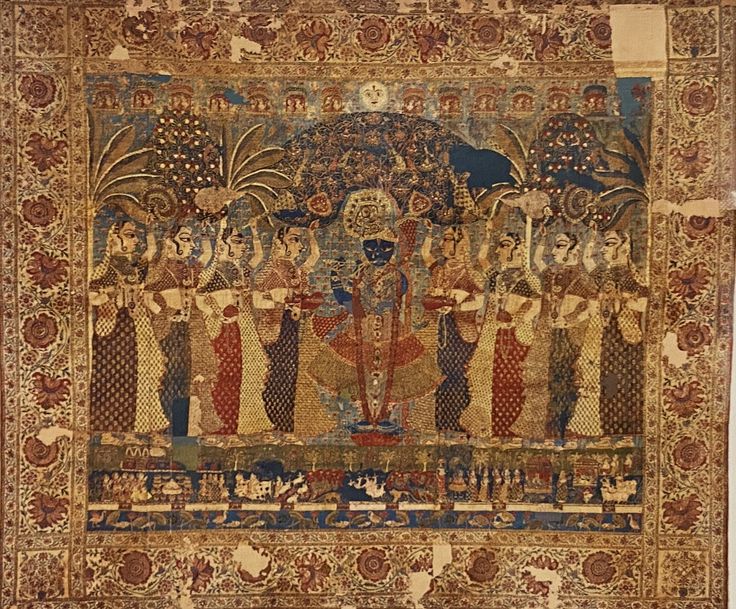
Kalamkari (from Persian "kalam" meaning pen and "kari" meaning craftsmanship) represents India's ancient textile painting tradition. Musicians and painters called chitrakars traveled between villages narrating Hindu mythology using painted cloth panels. This tradition dates back approximately 3,000 years, with evidence from the Indus Valley Civilization confirming its ancient roots.
Warli: The Tribal Geometric Expression
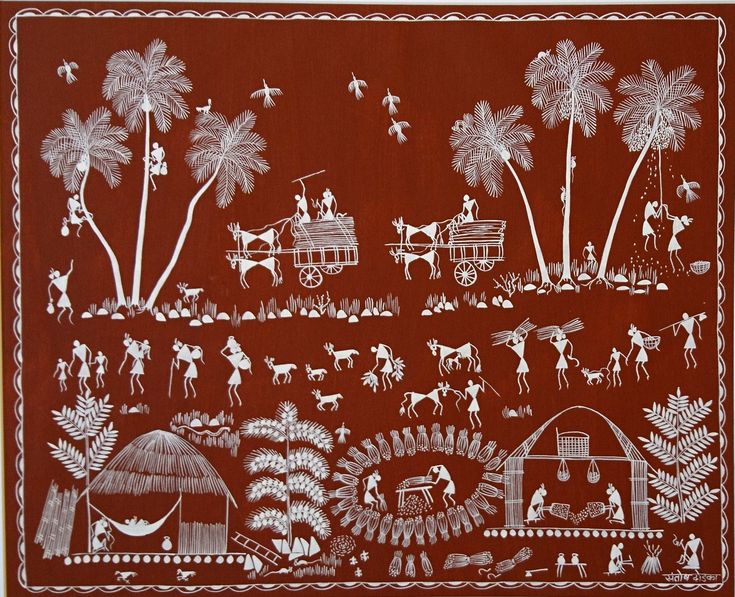
Maharashtra's Warli art, one of India's finest folk painting traditions, uses basic geometric shapes—circles, triangles, and squares—to depict village life rather than mythological scenes. Created with rice powder on mud walls, Warli paintings document social life and community rituals, representing a democratic art form accessible to all.
Miniature Traditions: Royal Patronage and Artistic Excellence
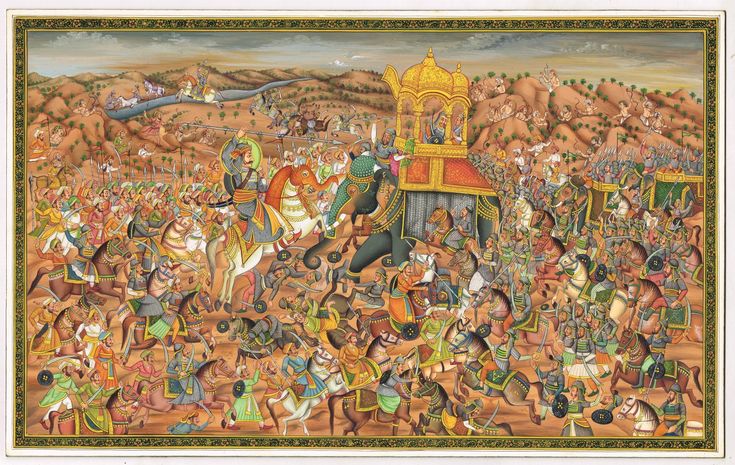
India's miniature painting traditions—including Mughal, Rajput, Pahari, and Mysore styles—represent the apex of detailed artistic work. These paintings combined Persian influences with indigenous Indian traditions, creating distinctive styles characterized by fine brushwork, vibrant colors, use of gold leaf, and sophisticated compositional techniques.
The Broader Spectrum of Chitra Kala
Beyond traditional painting, Chitra Kala encompasses diverse visual arts:
Fine Arts and Academic Practice
Modern fine arts education in India builds upon traditional foundations while embracing global artistic movements. Institutions like the Bengal School of Art, founded in the early 20th century, consciously revived pre-colonial Indian artistic identities, rejecting colonial influences. Pioneers like Abanindranath Tagore, Jamini Roy, and later artists drew inspiration from folk traditions while creating distinctly modern Indian art.
Sketching: The Foundation of Visual Communication
Sketching forms the fundamental skill of all visual artists. In the Indian context, traditional artists never used preliminary sketches in pencil or charcoal—they drew directly with brushes in light colors, demonstrating extraordinary mastery. This tradition of direct drawing reflects the spiritual preparation and mental visualization that preceded physical execution.
Traditional Arts and Crafts
India's craft traditions represent applied Chitra Kala, where artistic skill meets functional utility:
Block Printing: Ancient textile decoration techniques from Gujarat, Rajasthan, and other regions Rangoli/Kolam: Floor art created with colored powders, rice flour, or flowers Mural Painting: Temple and palace wall paintings found across India Pottery Decoration: Artistic embellishment of functional ceramic objects Metal Craft Engravings: Bidriware and other metalwork traditions Leather Puppet Art: Shadow puppet traditions of Andhra Pradesh and other regions
Each craft tradition carries centuries of accumulated knowledge about materials, techniques, and aesthetic principles, representing India's genius for combining beauty with utility.
Cinematography and Short Films: Modern Visual Storytelling
The evolution of Chitra Kala into moving images represents a natural progression of India's storytelling traditions. Indian cinema, particularly regional cinemas, often draws deeply from traditional visual aesthetics, color symbolism, and narrative techniques. Short film-making has emerged as a powerful medium for expressing contemporary concerns while maintaining connections to classical visual storytelling principles.
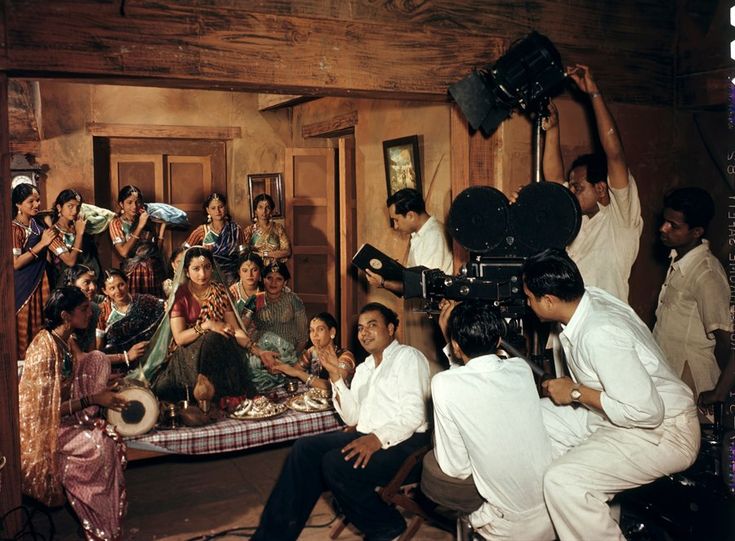
The language of cinematography—composition, lighting, color, movement—echoes principles found in ancient Chitrasutras. The emphasis on bhava (emotion), rasa (aesthetic experience), and visual symbolism connects modern film-making to millennia-old traditions.
Graphic Design and Digital Illustration: Contemporary Expression
Digital technologies have opened new frontiers for Chitra Kala. Graphic designers and digital illustrators working with traditional motifs, folk art elements, and classical compositions create a dynamic bridge between heritage and modernity. This fusion ensures that ancient visual vocabularies remain relevant and accessible to contemporary audiences.
Indian graphic designers increasingly draw inspiration from traditional art forms—incorporating Madhubani patterns, Pattachitra compositions, Warli simplicity, or miniature painting detail into contemporary design work. This represents not mere appropriation but a living evolution of traditions.
The Cultural Significance of Chitra Kala
Chitra Kala's importance transcends aesthetics—it represents fundamental aspects of Indian civilization:
Preservation of Knowledge and Heritage
Before widespread literacy, visual arts were primary means of transmitting knowledge. Paintings depicted scriptures, epics, historical events, and cultural practices, making them accessible to all social strata. The chitrakars and patuas who traveled with painted scrolls were educators, preserving and disseminating India's cultural heritage.
Spiritual and Philosophical Expression
Indian art has rarely been created for art's sake alone. Most traditional Chitra was imbued with spiritual significance, created as acts of devotion, used in worship, or designed to inspire contemplation. The process of creating art itself was considered a spiritual practice, with artists often beginning work with prayers and maintaining ritual purity.
Economic Empowerment and Livelihood
Traditional crafts and arts have sustained millions of Indian families across generations. The handicraft sector remains India's second-largest employer after agriculture, providing direct and indirect employment opportunities. Supporting traditional Chitra Kala means supporting rural communities and preserving sustainable livelihoods.
Identity and Cultural Sovereignty
In an era of cultural globalization, our traditional visual arts anchor us to distinctive civilizational identity. Chitra Kala represents India's unique aesthetic sensibilities, philosophical approaches, and creative genius—aspects that distinguish us in the global cultural landscape.
Contemporary Challenges and Opportunities
Traditional Chitra Kala faces significant challenges in the 21st century:
Market Forces and Economic Pressures: Mass production and industrialization have undermined traditional craft economies. Many artisans abandon their heritage crafts for more reliable income sources.
Loss of Patronage: The decline of royal and religious patronage that historically sustained high art has left many traditional art forms struggling for survival.
Knowledge Transmission Gaps: Younger generations often lack interest in learning traditional techniques, creating concerns about continuity.
Changing Aesthetic Preferences: Modern tastes sometimes favor minimalist or Western aesthetics over traditional Indian complexity and ornamentation.
However, significant opportunities exist:
Digital Platforms: Online marketplaces enable direct artisan-to-consumer sales, bypassing exploitative middlemen.
Cultural Tourism: Growing interest in authentic cultural experiences creates markets for traditional arts.
Fusion and Innovation: Artists successfully blend traditional techniques with contemporary themes, making heritage arts relevant to modern audiences.
Educational Integration: Efforts to include traditional arts in curricula help create appreciation among younger generations.
Government and NGO Support: Various programs support artisan communities, provide training, and create market linkages.
The Path Forward: Revitalizing Chitra Kala
For students and youth committed to India's cultural renaissance, engaging with Chitra Kala offers meaningful opportunities:
Learning and Practicing
Whether through formal art education, apprenticeships with traditional artists, or self-directed learning, acquiring skills in traditional or contemporary visual arts connects us to our heritage while developing valuable creative capabilities.
Documentation and Research
Many traditional art forms require systematic documentation, historical research, and scholarly analysis. Students can contribute by studying regional traditions, interviewing master artists, and creating accessible resources about Indian visual arts.
Creating Contemporary Relevance
Artists and designers can explore how traditional visual vocabularies can address contemporary themes—environmental conservation, social justice, technological change—making heritage arts speak to current concerns.
Market Development and Entrepreneurship
Creating sustainable business models around traditional arts helps artisan communities thrive. This includes developing e-commerce platforms, organizing exhibitions, creating art-based tourism experiences, and building brand identities around authentic craftsmanship.
Advocacy and Awareness
Using social media, blogs, and public forums to create awareness about endangered art forms, celebrating living master artists, and advocating for supportive policies helps build the cultural ecosystem necessary for Chitra Kala's survival.
Institutional Support
Supporting organizations working to preserve traditional arts—through volunteering, internships, or financial contributions—strengthens the infrastructure supporting artisan communities.
Chitra Kala in the Vision of Atmanirbhar Bharat
As India advances toward becoming a developed nation by 2047, Chitra Kala must play a central role in defining what kind of development we seek. True national progress cannot mean abandoning our cultural distinctiveness in favor of homogenized global culture.
The vision of Atmanirbhar Bharat (Self-Reliant India) extends beyond economic metrics to include cultural self-reliance—confidence in our artistic traditions, pride in our aesthetic heritage, and commitment to ensuring these traditions thrive in contemporary contexts. Our visual arts represent India's soft power—they attract global attention, command respect, and demonstrate civilizational sophistication.
When international audiences encounter Madhubani paintings, Pattachitra scrolls, or contemporary Indian graphic design rooted in traditional aesthetics, they encounter India's soul—our unique way of seeing, representing, and celebrating existence. This is invaluable for national prestige and cultural diplomacy.
Moreover, traditional Chitra Kala embodies principles increasingly relevant globally—sustainability (natural materials, low carbon footprint), community-based production, meaningful labor that connects maker to product, and aesthetic approaches that honor complexity and detail over mass-produced uniformity.
Conclusion: The Continuing Journey of Chitra Kala
Chitra Kala represents more than painted surfaces or crafted objects—it embodies India's enduring creative spirit, our ancestors' wisdom about beauty and expression, and our ongoing dialogue between tradition and innovation. From prehistoric cave paintings to cutting-edge digital illustrations, the journey of Indian visual arts demonstrates remarkable continuity and adaptation.
As young Indians committed to national renewal, we have both opportunity and responsibility regarding Chitra Kala. We can allow these traditions to fade into museums and history books, or we can ensure they remain living practices that enrich contemporary life while connecting us to our civilizational roots.
The choice is clear: we must learn, practice, support, innovate, and celebrate Chitra Kala in all its forms. In doing so, we honor those who preserved these traditions through difficult times, we support communities that depend on these arts for livelihood, and we ensure that future generations inherit a culturally vibrant, artistically sophisticated India confident in its unique identity.
Let every brush stroke, every crafted object, every designed image be both a celebration of where we come from and a declaration of where we aspire to go—an India that masters technology while preserving tradition, that engages globally while remaining rooted locally, that progresses economically while enriching culturally.