In the pursuit of building a strong and vibrant India, we often focus on intellectual prowess, technological advancement, and economic progress. However, our ancient sages understood what modern science is now confirming: a healthy body is the foundation of a healthy mind, and physical excellence is inseparable from national strength. This fundamental truth is enshrined in the concept of Sharirik Shakti—physical power and bodily fitness—which has been an integral part of Indian civilization since time immemorial.
From the wrestling akhadas that produced legendary warriors to the strategic brilliance of Chaturanga that trained military minds, from the team coordination of Kabaddi to the lightning reflexes demanded by Kho-Kho, India's sporting traditions represent far more than recreation. They embody our values of discipline, courage, strategic thinking, teamwork, and the pursuit of excellence. Understanding and reviving our rich sporting heritage is essential for building the physically fit, mentally sharp, and morally strong youth that will lead India into its rightful place as a global leader.
The Philosophy of Sharirik Shakti in Indian Tradition
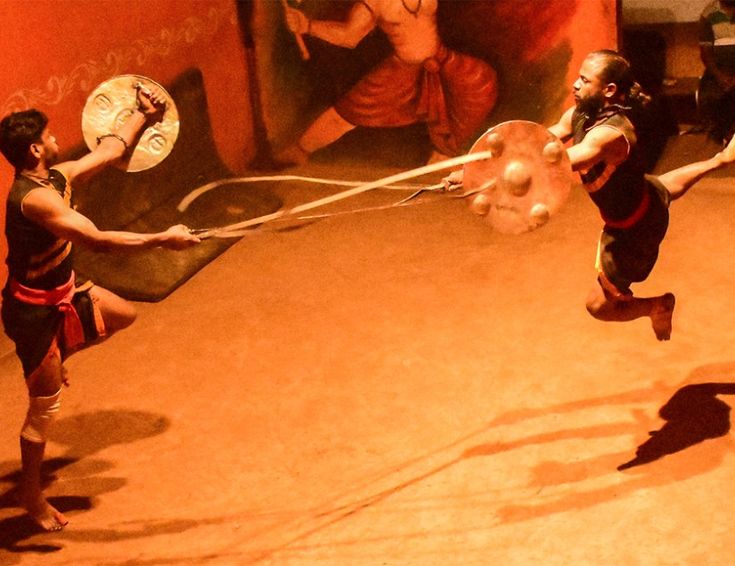
Indian civilization has always recognized the interconnection between physical fitness and spiritual development. The concept of a sound mind in a sound body is not a Western innovation—it is deeply embedded in our ancient texts and traditions.
The Vedic tradition emphasized physical prowess through the Kshatriya dharma, where warriors underwent rigorous physical training in archery, swordsmanship, horse riding, and wrestling. The Dhanurveda, ancient texts on the science of archery and warfare, detailed systematic training regimens for developing physical strength, endurance, and martial skills.
Yoga, often viewed today purely as a spiritual practice, was traditionally understood as a complete system encompassing physical postures (asanas), breathing techniques (pranayama), and meditation. The very etymology of yoga—from the Sanskrit root "yuj" meaning to unite or yoke—suggests the bringing together of body, mind, and spirit into a harmonious whole.
Buddhist monasteries included physical training as part of monastic discipline, recognizing that meditation and spiritual practice required a strong, healthy body. The legendary Bodhidharma, who traveled from India to China, is credited with introducing martial arts training to Shaolin monks, demonstrating the Indian understanding that physical and spiritual development must proceed together.
Traditional Indian education in gurukuls included not just scriptural study but also physical training, preparing students to be complete individuals capable of both intellectual discourse and physical defense of dharma when necessary.
The Colonial Disruption and Post-Independence Revival
The British colonial period brought significant disruption to India's sporting culture. The colonizers promoted the narrative that Indians, particularly educated Indians who resisted British rule, were physically weak and effeminate—a propaganda tool designed to justify colonial domination. The British promoted their own sports like cricket, hockey, and football while systematically undermining traditional Indian games and martial traditions.
Traditional sports that had thrived in villages and communities for centuries began to decline as British sports gained prestige and institutional support. Playing British sports became a way for some Indians to gain acceptance in colonial society, while others saw it as an arena where they could compete with and defeat their colonizers, proving Indian capabilities.
After independence, India faced the challenge of reclaiming and revitalizing its sporting heritage while also excelling in international sports competitions. The government's recent Bharatiya Khel initiative represents a conscious effort to revive traditional games, recognizing that these sports are more affordable for rural Indians, important for cultural preservation, and effective for building team spirit and community cohesion.
The National Education Policy 2020 has taken the significant step of including traditional games in school curricula, ensuring that the next generation grows up familiar with India's sporting heritage. The Fit India Movement has further emphasized the importance of physical fitness as a national priority, mandating the inclusion of traditional sports in school physical education programs.
Chess: The Art of Strategic Excellence
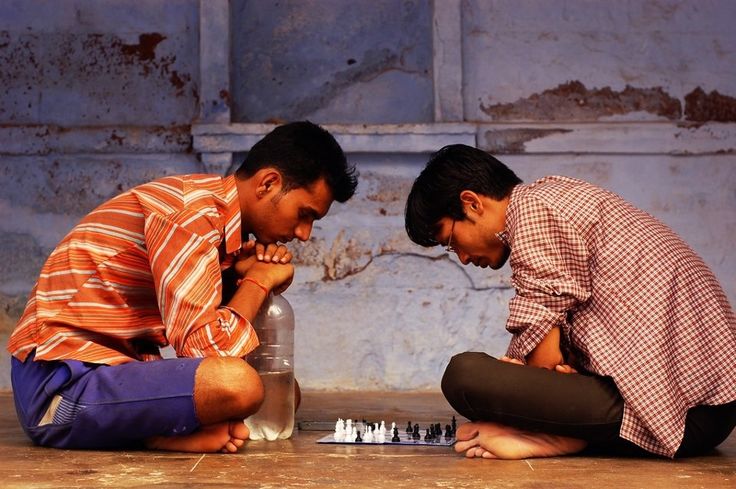
Perhaps no other Indian contribution to world sports better exemplifies the fusion of intellectual depth and competitive spirit than Chaturanga—the ancient Indian game that evolved into modern chess. The very name Chaturanga, meaning "four limbs" or "four divisions," referred to the four components of the ancient Indian military: infantry, cavalry, elephantry, and chariotry.
The Ancient Origins of Chaturanga
Chaturanga emerged during the Gupta Empire, approximately 1,500 years ago, as both a recreational game and an educational tool for training military strategy. The game was played on an 8×8 board called ashtapada, using pieces that represented different military units. Archaeological discoveries from Lothal in Gujarat have revealed game pieces dating back to around 2450 BCE that resemble chess pieces, suggesting even earlier origins.
The earliest literary reference to Chaturanga by name appears in Banabhatta's Harshacharita, a 7th-century biography of Emperor Harsha. The text uses wordplay involving both the chessboard (ashtapada) and the game itself, indicating that Chaturanga was well-established and culturally significant by that period.
The pieces in original Chaturanga included:
- Raja (King): The central piece whose capture meant defeat, moving one square in any direction
- Mantri/Senapati (Minister/General): Moving one square diagonally, representing the king's chief advisor
- Gaja (Elephant): With varying movement patterns in different versions, representing the powerful elephant cavalry
- Ashva (Horse): Moving in the distinctive L-shape, representing swift cavalry
- Ratha (Chariot): Moving in straight lines horizontally or vertically, representing war chariots
- Padati/Bhata (Foot Soldier): Moving forward one square, representing infantry, with special promotion rules
The Strategic Depth and Educational Value
What made Chaturanga revolutionary was its incorporation of two critical elements inspired by the battle formations described in the Mahabharata: different pieces possessed different powers, and victory depended on the survival of one crucial piece—the king. This mirrored actual warfare where a king's surrender or death meant the loss of his kingdom.
The game served as an instructional tool for educating young princes about military divisions, strategic thinking, resource management, and the importance of protecting leadership while utilizing various forces effectively. The legend of King Shihram and the wise man who invented chess illustrates this educational purpose—the game taught rulers that they needed the queen, rooks, bishops, knights, and pawns to survive, just as a king needs all classes of society for his kingdom to flourish.
From Chaturanga to Global Chess
As trade and cultural exchange expanded, Chaturanga spread along the Silk Road to Persia, where it became chatrang (later shatranj). The Persians embraced the game enthusiastically, and historical texts indicate that by 600 CE, Persian kings were known for their chess-playing skills.
From Persia, the game spread to the Arab world after the Muslim conquest, and eventually reached Europe through the Moorish presence in Spain. Each culture adapted the game slightly—the Persian term "shah" (king) and "shah mat" (the king is dead) became "checkmate" in English. The French term "échecs" (meaning "checks" or "to fail") evolved into the English word "chess."
In an easterly direction, Chaturanga influenced the development of xiangqi in China, shogi in Japan, makruk in Thailand, and sittuyin in Burma, demonstrating India's profound influence on strategic gaming across Asia.
Chess as Mental Discipline and National Pride
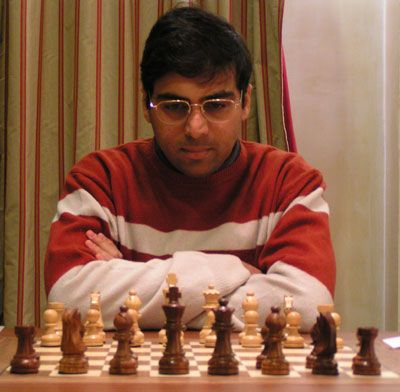
Chess exemplifies the kind of mental discipline and strategic thinking that produces excellence in all fields. The game demands:
Foresight and Planning: Players must think multiple moves ahead, anticipating opponents' responses and planning complex sequences.
Pattern Recognition: Success requires recognizing board positions, tactical motifs, and strategic themes developed through extensive study and practice.
Concentration and Focus: Championship-level chess requires hours of intense mental effort without loss of attention.
Emotional Control: Players must remain calm under pressure, neither becoming overconfident in winning positions nor demoralized in difficult situations.
Creativity and Innovation: While chess has established opening theory and endgame techniques, the middle game offers endless creative possibilities.
Learning from Defeat: Every loss is an opportunity to analyze mistakes and improve—a mindset valuable in all life endeavors.
India has emerged as a chess powerhouse in the modern era, producing grandmasters like Viswanathan Anand, who dominated world chess for years, and a new generation of talented young players who regularly compete at the highest international levels. This success represents the flowering of India's ancient strategic traditions in contemporary form.
Chess's inclusion in school curricula, the establishment of chess academies, and government support for chess players demonstrate recognition of the game's value for developing analytical thinking, mathematical ability, and problem-solving skills—all crucial for India's ambitions in technology, science, and innovation.
Kabaddi: The Spirit of Team Unity and Indigenous Strength
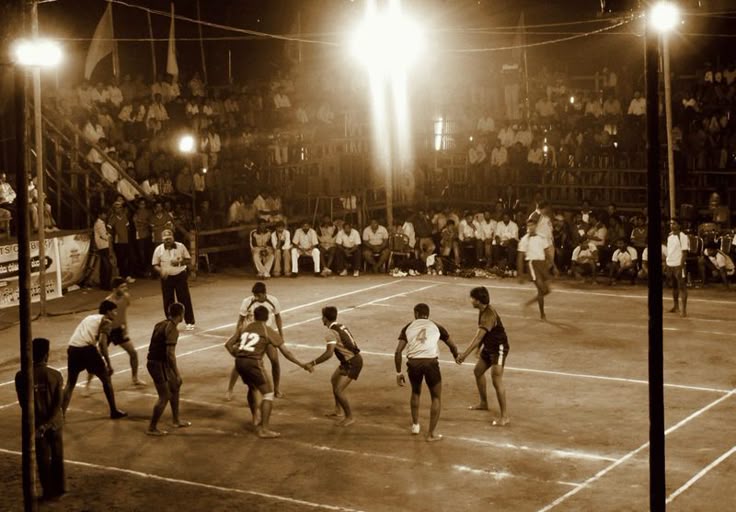
Kabaddi stands as one of India's most distinctive and ancient contact sports, embodying values of courage, breath control, agility, and teamwork. The game's origins trace back over 4,000 years to ancient Tamil Nadu, possibly evolving from Jallikattu traditions or as training for warriors and hunters.
The Essence of Kabaddi
Kabaddi's name derives from the Tamil word "kai-pidi," meaning "to hold hands." The game is deceptively simple yet extraordinarily demanding. A raider enters the opponent's half while continuously chanting "kabaddi-kabaddi" on a single breath, attempts to tag one or more defenders, and returns to his own half without being captured—all without taking another breath.
Ancient texts including the Mahabharata contain references to skills and strategies that resemble Kabaddi gameplay. The epic's description of Abhimanyu piercing the Chakravyuha formation required qualities similar to those needed by a Kabaddi raider—courage to enter enemy territory alone, strategic thinking to identify weak points, agility to evade multiple opponents, and timing to know when to retreat.
Physical and Mental Demands
Kabaddi is among the most complete physical activities, demanding:
Cardiovascular Endurance: Raiders must maintain intense effort while controlling breath, developing exceptional lung capacity and stamina.
Strength and Power: Both offensive raids and defensive captures require significant upper body and core strength.
Agility and Reflexes: Split-second decisions and movements determine success, as raiders must evade multiple defenders simultaneously.
Tactical Intelligence: Teams must coordinate complex defensive formations and offensive strategies, constantly adapting to opponents' patterns.
Mental Toughness: The game's intensity and physical contact demand courage and the ability to perform under pressure.
Breath Control: The unique requirement to chant continuously while raiding develops extraordinary respiratory discipline, connecting to yogic pranayama practices.
Cultural Significance and Social Values
Kabaddi traditionally flourished in rural India, requiring no equipment beyond open space and players. This accessibility made it genuinely democratic—anyone could play regardless of economic status. Village tournaments brought communities together, strengthening social bonds and providing entertainment.
The sport embodies several core Indian values:
Courage (Veer): Raiders demonstrate bravery by entering hostile territory alone against multiple opponents.
Self-Discipline (Sayyam): Breath control and maintaining composure under physical pressure require exceptional self-regulation.
Teamwork (Sahyog): Success depends on coordinated defensive formations and supporting raiders, emphasizing collective over individual glory.
Quick Thinking (Buddhimatta): Split-second tactical decisions separate successful raids from captures.
Physical Fitness (Swasthya): The game develops comprehensive fitness through its varied physical demands.
The Modern Kabaddi Revolution
The launch of the Pro Kabaddi League in 2014 revolutionized Indian sports, demonstrating that indigenous games could achieve mainstream popularity and commercial success comparable to cricket. PKL's high-energy matches, engaging presentation, and strategic depth attracted millions of viewers, making it India's second-most-watched sports league.
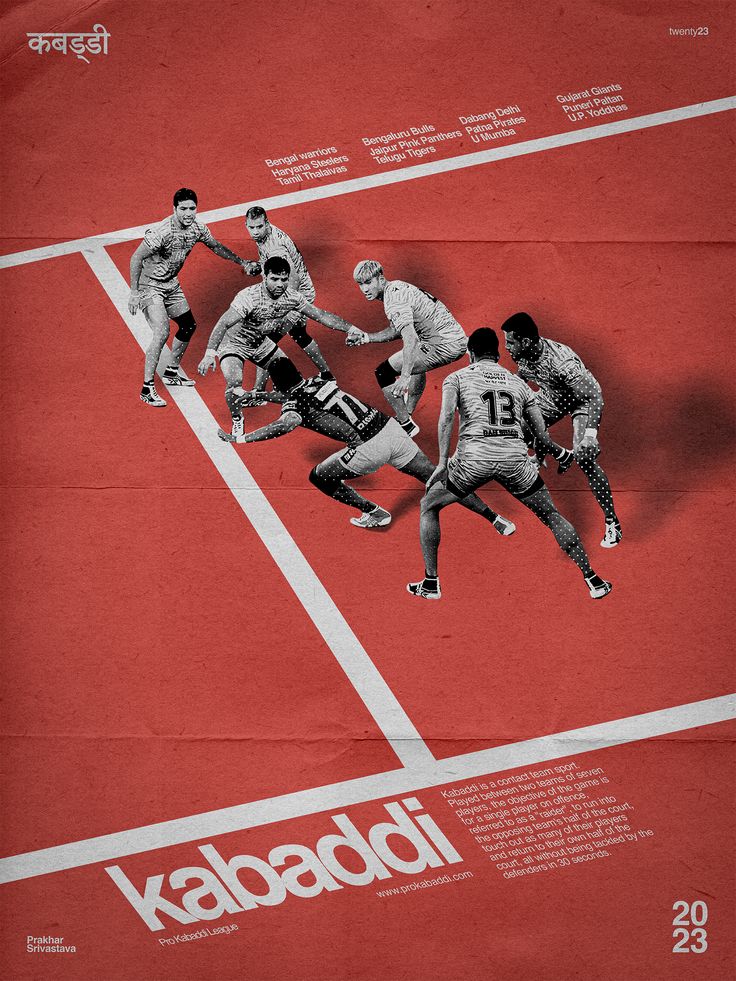
This revival represents more than sports entertainment—it demonstrates cultural self-confidence and shows young Indians that traditional sports can be modern, exciting, and professionally viable. The league's success has inspired similar efforts for other traditional sports and challenged the notion that only Western sports deserve investment and attention.
India's national Kabaddi teams dominate international competitions, consistently winning gold medals at Asian Games and World Cups. This success provides national pride and demonstrates Indian excellence in our indigenous sporting traditions.
Kho-Kho: The Game of Speed, Agility, and Coordination
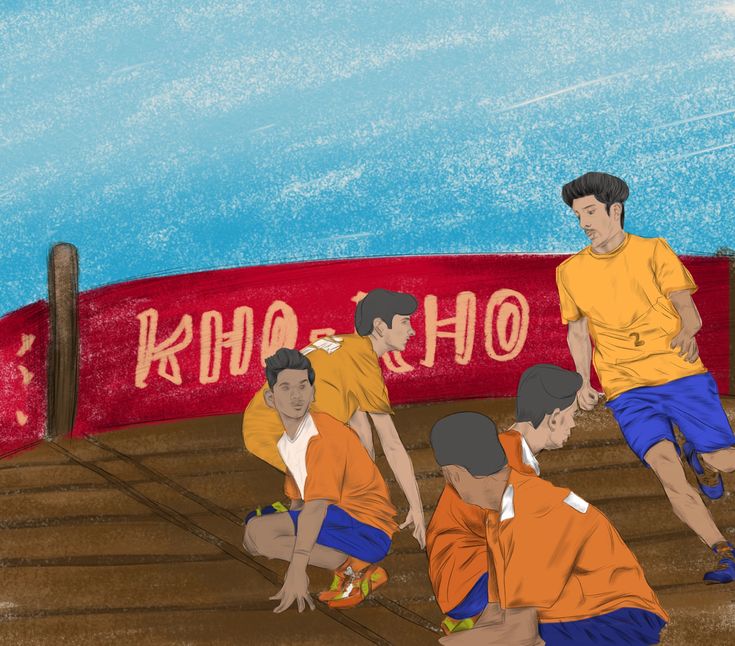
Kho-Kho represents one of India's oldest and most dynamic traditional sports, dating back to at least the 4th century BCE. The game embodies principles of active chase, quick reflexes, and coordinated team effort.
Origins and Ancient Roots
Kho-Kho may be referenced in the Mahabharata through descriptions of gameplay elements, though direct mentions are subject to historical interpretation. The game's fundamental principle—organized pursuit and evasion—reflects military tactics used in ancient Indian warfare.
The name "Kho" likely derives from the Marathi word meaning "to go" or the call used during the game when one player activates another. Archaeological and literary evidence suggests that games involving chase and coordination were popular across the Indian subcontinent for millennia.
The Game's Structure and Demands
Kho-Kho is played between two teams of twelve players (nine active, three substitutes) on a rectangular field with eight poles. One team sits in alternating directions in the center while one player (the chaser) pursues opponents. The sitting players can be activated by a touch and the call "Kho," but must run in the direction they're facing.
This unique structure creates a dynamic game requiring:
Exceptional Speed: Runners must evade chasers while navigating poles and avoiding boundaries, demanding sprint-level velocity.
Agility and Flexibility: Sudden direction changes, diving saves, and navigating around poles require gymnastic flexibility.
Coordination: Teams must work as a coordinated unit, strategically positioning themselves and timing player activations.
Anticipation: Success depends on predicting opponents' movements and positioning accordingly.
Stamina: The continuous running, diving, and sudden bursts of effort demand superior cardiovascular fitness.
Strategy: Teams develop complex tactics for pursuit patterns, defensive positioning, and when to activate specific players.
Educational and Social Benefits
Kho-Kho's accessibility—requiring only open space and minimal equipment—made it ideal for schools and rural communities. The game naturally develops:
Teamwork: Individual brilliance matters little without coordinated team effort, teaching players to sublimate ego for collective success.
Quick Decision-Making: Split-second choices about when to chase, when to activate teammates, and how to evade pursuers develop rapid cognitive processing.
Sportsmanship: The game's intensity and physical contact teach players to compete fiercely while respecting opponents and rules.
Leadership: The active chaser must make strategic decisions under pressure, developing leadership capabilities.
Physical Literacy: The varied movements develop comprehensive motor skills valuable for overall athletic development.
Kho-Kho's Renaissance
The Kho-Kho Federation of India has worked to systematize rules, organize national and international competitions, and promote the sport in schools. Recent initiatives include:
- Standardized coaching certification programs
- Inter-school and inter-state tournaments
- International matches to spread the game globally
- Inclusion in multi-sport events like the Asian Beach Games
- Media coverage and digital content to reach younger audiences
The Indian government's commitment to potentially including Kho-Kho in the Olympics (if India hosts in 2036) demonstrates national recognition of traditional sports' value and potential for international prominence.
Traditional Indian Sports: A Vast Heritage
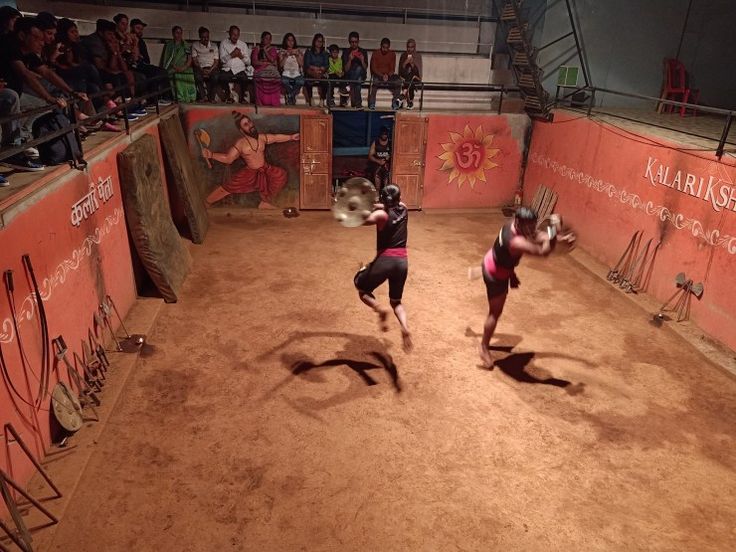
Beyond Chess, Kabaddi, and Kho-Kho, India possesses an extraordinarily diverse sporting heritage, with each region contributing unique games reflecting local culture, geography, and values:
Martial Traditions
Kushti (Indian Wrestling): Practiced in traditional akhadas with strict discipline, diet, and lifestyle requirements, Kushti produced legendary wrestlers and continues to contribute Olympic medalists to India.
Kalaripayattu: From Kerala, considered one of the world's oldest martial arts, emphasizing strikes, grappling, weaponry, and healing knowledge.
Mallakhamb: Combining gymnastics with yoga, performed on a vertical wooden pole or hanging rope, demonstrating extraordinary strength, flexibility, and balance.
Gatka: The Sikh martial art involving stick fighting and weaponry, preserving warrior traditions of the Khalsa.
Thang-Ta: The Manipuri martial art involving swords and spears, originally used by warriors and now practiced for fitness and cultural preservation.
Silambam: The Tamil stick-fighting martial art with 3,000-year history, featuring complex strikes, blocks, and forms.
Regional Traditional Games
Gilli-Danda: Played across rural India with a small stick (gilli) and larger stick (danda), requiring hand-eye coordination similar to cricket but predating it by millennia.
Vallamkali: Kerala's spectacular snake boat races during Onam, showcasing synchronized rowing and community participation.
Jallikattu: Tamil Nadu's controversial bull-taming sport performed during Pongal, with ancient roots in agricultural communities.
Kambala: Karnataka's buffalo racing in flooded fields, dating back over a thousand years with religious significance.
Archery: Traditional forms from Meghalaya, Manipur, and other northeastern states, with some evolving into formalized betting activities (Teer).
Polo (Sagol Kangjei): Manipur's ancient horseback game, considered the original form of modern polo, played by royalty and common people.
Why Traditional Sports Matter for National Development
The revival and promotion of traditional Indian sports serves multiple crucial objectives:
Cultural Identity and Pride: Traditional sports connect us to civilizational roots and provide distinct cultural identity in a globalizing world.
Physical Fitness: Most traditional games provide excellent workouts requiring minimal equipment, making them ideal for promoting mass fitness.
Rural Development: Traditional sports thrive in rural areas, providing recreation, social bonding, and potential livelihood opportunities through tournaments and leagues.
Accessible Excellence: Unlike many modern sports requiring expensive equipment and facilities, traditional games enable participation across economic strata.
Mental Development: Games like Chess develop strategic thinking, while team sports build coordination, communication, and leadership skills.
Economic Potential: Successful leagues like Pro Kabaddi demonstrate that traditional sports can generate employment, entertainment value, and economic activity.
Soft Power: Unique Indian sports serve as cultural ambassadors, distinguishing India internationally and attracting global interest.
Health Benefits: Active traditional sports combat sedentary lifestyles, reducing healthcare burdens and improving national human capital.
Building a Sporting Culture: The Way Forward
For India to realize its potential as a global sporting power while preserving cultural heritage, several initiatives must be prioritized:
Educational Integration
Traditional sports must move from peripheral activities to core curriculum components. This means:
- Dedicated periods for traditional sports in schools
- Trained coaches and teachers familiar with traditional games
- Infrastructure for sports like Kho-Kho, Kabaddi, and Mallakhamb
- Integration with physical education assessment
- School-level competitions creating pathways to state and national levels
Infrastructure Development
While traditional sports require minimal equipment, organized competition needs:
- Standardized playing surfaces
- Proper akhadas for wrestling and Mallakhamb
- Chess rooms and equipment in schools
- Kabaddi and Kho-Kho grounds meeting competition specifications
- Regional training centers for promising athletes
Professional Pathways
Following Pro Kabaddi League's model:
- Professional leagues for other traditional sports
- Sponsorship opportunities making sports viable careers
- Systematic talent identification and development programs
- International exchanges exposing Indian athletes to global competition
- Media coverage building audience interest and sponsor value
Research and Documentation
Much traditional sports knowledge exists only in oral traditions:
- Academic research documenting games, rules, and regional variations
- Digital archiving of techniques and training methods
- Scientific studies on health benefits and training methodologies
- Historical research connecting sports to broader cultural context
Community Engagement
Traditional sports thrive when communities embrace them:
- Village-level tournaments with local government support
- Festival-linked sporting events maintaining cultural connections
- Recognition and support for traditional coaches and akharas
- Public spaces designated for traditional games
- Intergenerational programs connecting elders (knowledge holders) with youth
Policy Support
Government policies must actively promote traditional sports:
- Funding parity between traditional and modern sports
- Tax incentives for traditional sports organizations and sponsors
- Inclusion in major sporting events like state and national games
- International promotion at diplomatic and cultural forums
- Streamlined processes for forming sports federations and leagues
Chess, Kabaddi, Kho-Kho: Models for Cultural-Sporting Renaissance
Chess, Kabaddi, and Kho-Kho represent three distinct paths for traditional sports' revival and success:
Chess demonstrates that ancient Indian intellectual traditions can compete at the highest global levels, with Indian players dominating world championships and the game increasingly integrated into educational systems for cognitive development.
Kabaddi proves that indigenous physical sports can achieve massive commercial success and mainstream popularity when properly presented, challenging assumptions about what sports Indians will watch and play enthusiastically.
Kho-Kho shows that even lesser-known traditional sports can be systematized, promoted, and positioned for international recognition, with potential inclusion in Olympic events if India hosts future games.
These three sports—one emphasizing strategic thinking, another showcasing physical power and courage, the third highlighting speed and coordination—collectively represent the breadth of Sharirik Shakti as our ancestors understood it: the development of complete human beings excelling in mind, body, and spirit.
Sharirik Shakti and National Character
The connection between physical culture and national character has been recognized by civilizations throughout history. Nations that prioritize physical education, sports participation, and athletic excellence tend to develop citizens who are:
Disciplined: Regular physical training instills self-discipline transferable to all life areas.
Resilient: Sports teach perseverance through losses and setbacks, building mental toughness.
Healthy: Active populations have lower disease burdens, reducing healthcare costs and increasing productive years.
Confident: Physical competence builds self-confidence and reduces victim mentality.
Cooperative: Team sports develop collaboration skills essential in modern workplaces.
Competitive: Healthy competition in sports channels aggressive instincts productively while maintaining ethical frameworks.
For India to achieve its developmental aspirations, we need citizens embodying these qualities. Our traditional sports, evolved over millennia to develop precisely these characteristics while expressing distinctly Indian values and philosophical perspectives, represent ready-made systems for building national character.
Conclusion: Toward a Physically Strong and Culturally Confident India
Sharirik Shakti—physical strength and fitness—represents far more than athletic performance or sporting achievement. It embodies a comprehensive vision of human development where physical excellence supports mental clarity, emotional stability, and spiritual growth. This holistic understanding, deeply embedded in Indian civilization's foundations, offers timeless wisdom for modern challenges.
The revival of traditional Indian sports—from the strategic depths of Chess to the physical intensity of Kabaddi to the dynamic coordination of Kho-Kho—represents cultural reclamation and national rejuvenation. When young Indians master Chaturanga's complexities, demonstrate courage in Kabaddi raids, or coordinate perfectly in Kho-Kho chases, they connect with centuries of ancestors who developed these games as tools for building character, community, and capability.
As students and youth committed to building a resurgent India, embracing Sharirik Shakti through traditional and modern sports offers a practical path for personal development and national service. Every game played, every sport learned, every fitness goal achieved contributes to creating the physically capable, mentally sharp, and morally strong generation that will lead India into its rightful place among nations.
The ancient sage-athletes who developed Yoga, the warrior-kings who patronized Kushti, the strategists who created Chaturanga, the villagers who preserved Kabaddi and Kho-Kho through colonial disruption—they passed down gifts of immense value. Our responsibility is clear: receive these gifts with gratitude, master them with dedication, innovate them for contemporary relevance, and pass them forward enhanced to future generations.
This is the promise and potential of Sharirik Shakti—not merely strong bodies but strong character, not merely sporting victories but cultural victory, not merely individual fitness but national strength. As we build this foundation of physical and cultural excellence, we construct the bedrock upon which a truly great India will rise.